Lorem Ipsum is simply dummy text of the printing and typesetting industry. Lorem Ipsum has been the industry standard dummy text ever since the 1500s, when an unknown printer took a galley of type and scrambled it to make a type specimen book.

Lorem Ipsum is simply dummy text of the printing and typesetting industry. Lorem Ipsum has been the industry standard dummy text ever since the 1500s, when an unknown printer took a galley of type and scrambled it to make a type specimen book.

Consectetur adipisicing elit, sed do eiusmod tempor incididunt ut labore et dolore magna aliqua. Ut enim ad minim veniam, quis nostrud exercitation ullamco.

Consectetur adipisicing elit, sed do eiusmod tempor incididunt ut labore et dolore magna aliqua. Ut enim ad minim veniam, quis nostrud exercitation ullamco.

Consectetur adipisicing elit, sed do eiusmod tempor incididunt ut labore et dolore magna aliqua. Ut enim ad minim veniam, quis nostrud exercitation ullamco.
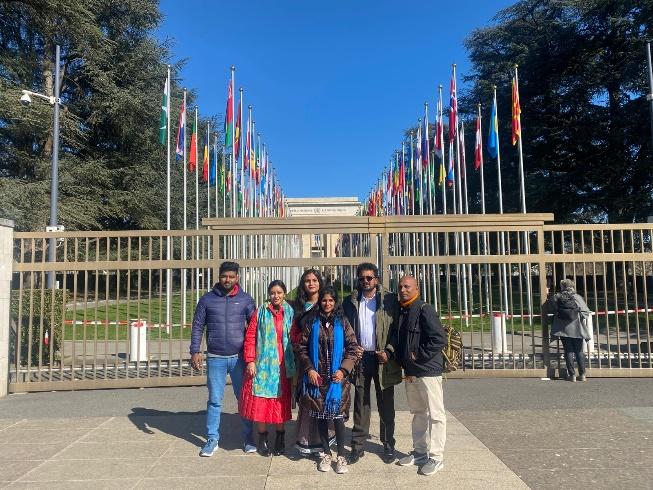
Ruki Fernando:
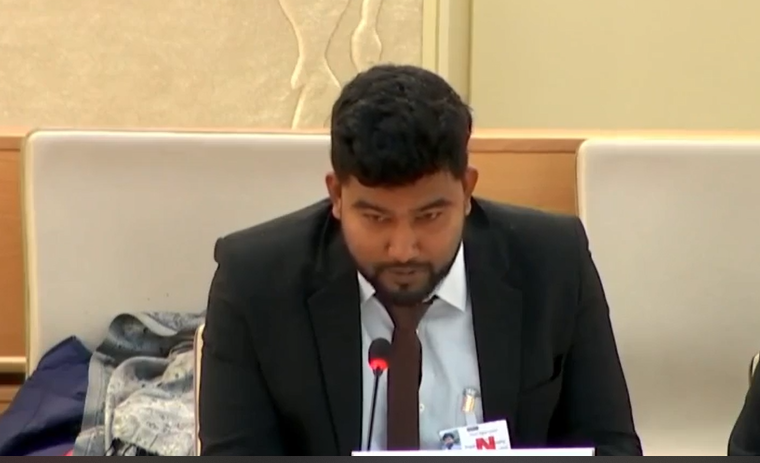
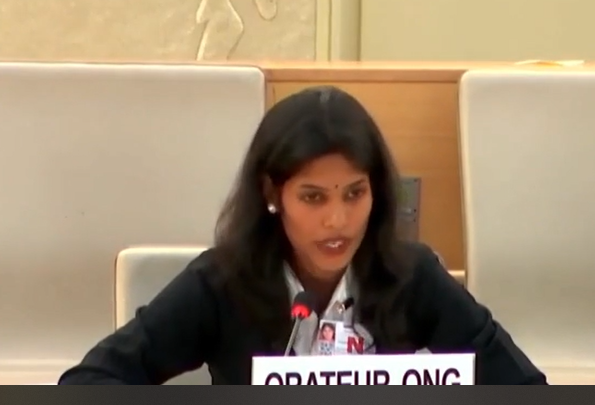
From 3rd to 10th March 2024, International Movement of Catholic Students (IMCS) – Pax Romana hosted and supported team of seven Sri Lankan Human Rights Defenders (HRDs) for a human rights internship to learn, experience and use UN human rights mechanisms based in Geneva, Switzerland. The team included Ruki Fernando as team leader, an interpreter and diverse team of five young HRDs. The five HRDs were all grassroots activists, visiting Europe for 1st time (most overseas for the 1st time). They were from different areas in Sri Lanka and were victims of rights violations or from victimized communities. They attended 55th session of the UN Human Rights Council (UNHRC), made two oral statements during the UNHRC, submitted one written statement to the UNHRC, met UN staff from Special Procedures, Treaty bodies and Office of the High Commissioner for Human Rights (OHCHR). They also met a British diplomat who have been working on Sri Lanka for long time, Geneva based NGOs, two HRDs from Rohingya community and Manipur and attended side events at the UNHRC.
Oral statement during interactive dialogue with Special Rapportuer on Freedom of Religion or Belief
IMCS assisted with providing accreditation to the UN, making arrangements to submit the written statement and make two oral statements. During the weekend, IMCS hosted them in IMCS International centre in La Roche, France, for some rest and de-briefing session. IMCS also assisted with logistical arrangements such as accommodation, transport, welcoming at airport, occasional interpretation and general accompaniment. The five participants were selected from amongst more than thirty who had undergone an introductory course on UN Human Rights mechanisms in Sri Lanka in December 2023 – January 2024. Participants are now in process of engaging in follow up activities in Sri Lanka.
My involvement in conceptualizing and organizing this initiative was inspired by my participation in Pax Romana human rights internship in Geneva many years ago and subsequent attempts at training HRDs from Sri Lanka and Asia on UN human rights mechanisms and assisting individual HRDs in undertaking lobby visits to Geneva. Outgoing and former IMCS team members Ravi and Budi provided valuable assistance and advise in organizing the program in Geneva.
Oral statement during interactive dialogue with Special Rapportuer on Right to Housing
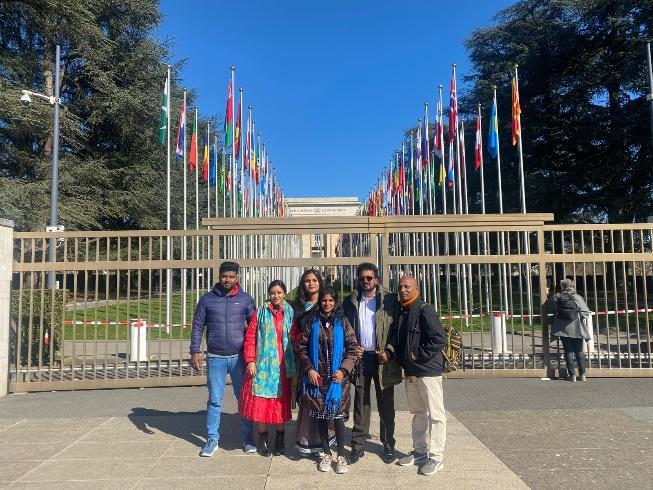
The initiative was sponsored by Bread for the World (BfW) in Germany. After the visit in Geneva, BfW had organized a visit to Berlin in Germany, including meetings with the German foreign ministry official working on Sri Lanka, a German MP, German NGOs and Sri Lankan diaspora in Germany. The team also had a chance to join a customized study tour about memorialization for past rights violations in Germany and session on European institutions dealing with human rights.
Links:
Oral statement during interactive dialogue with Special Rapportuer on Freedom of Religion or Belief https://webtv.un.org/en/asset/k16/k160flweyj – Mins 01.02.18 onwards. Text in Annex 1
Oral statement during interactive dialogue with Special Rapportuer on Right to Housing https://webtv.un.org/en/asset/k15/k15m87qyxk – Mins 01.18.09 onwards. Text in Annex 2
Written statement https://documents.un.org/doc/undoc/gen/g24/029/39/pdf/g2402939.pdf?token=xqHdQ8IGbxNS2tcP4H&fe=true – Text in Annex 3
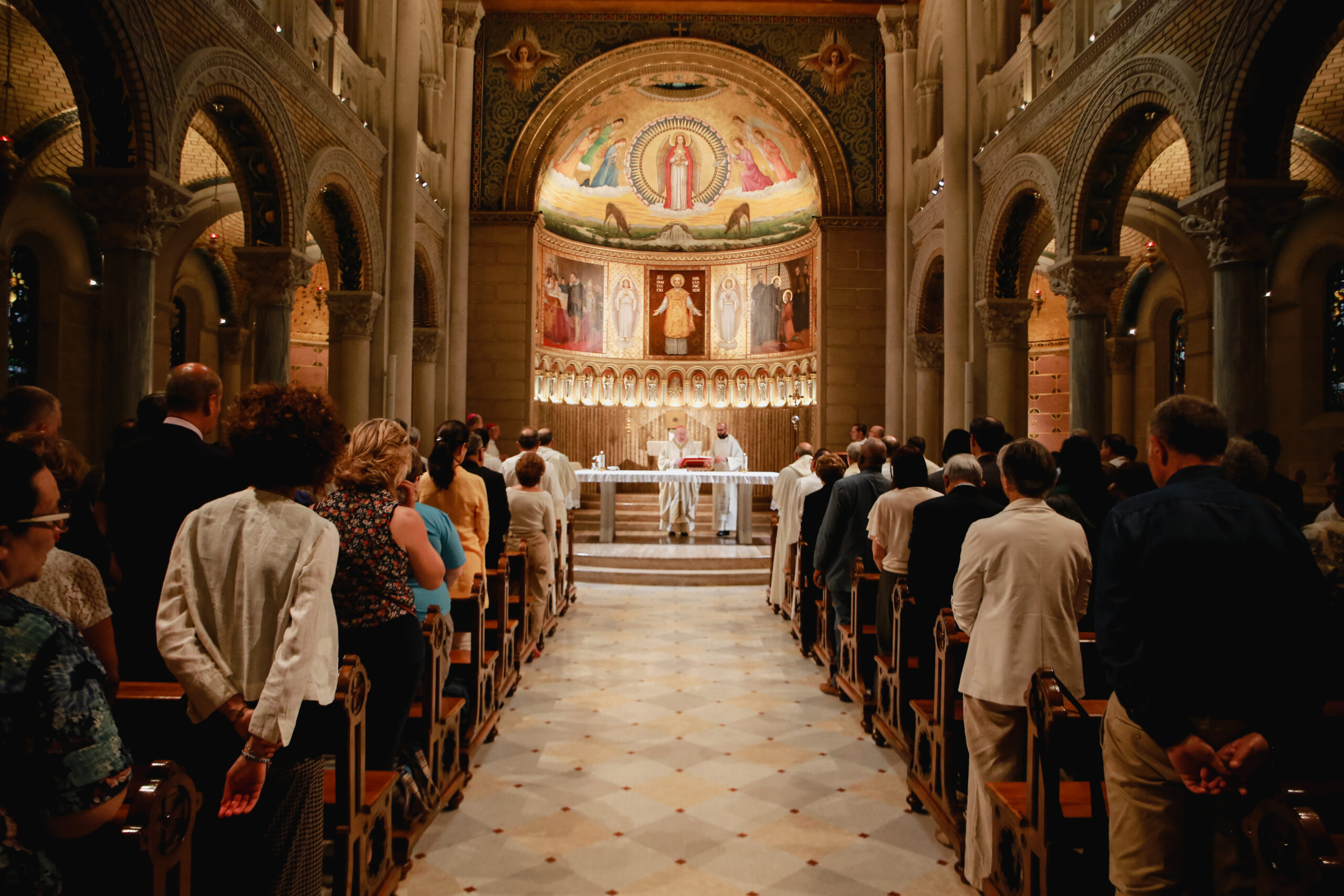
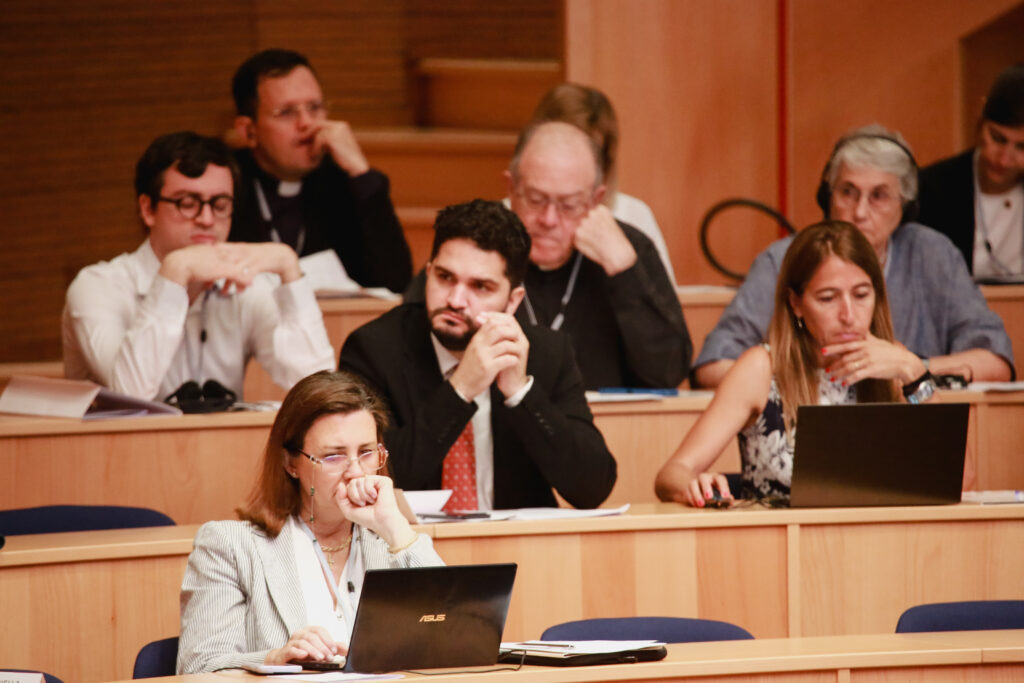
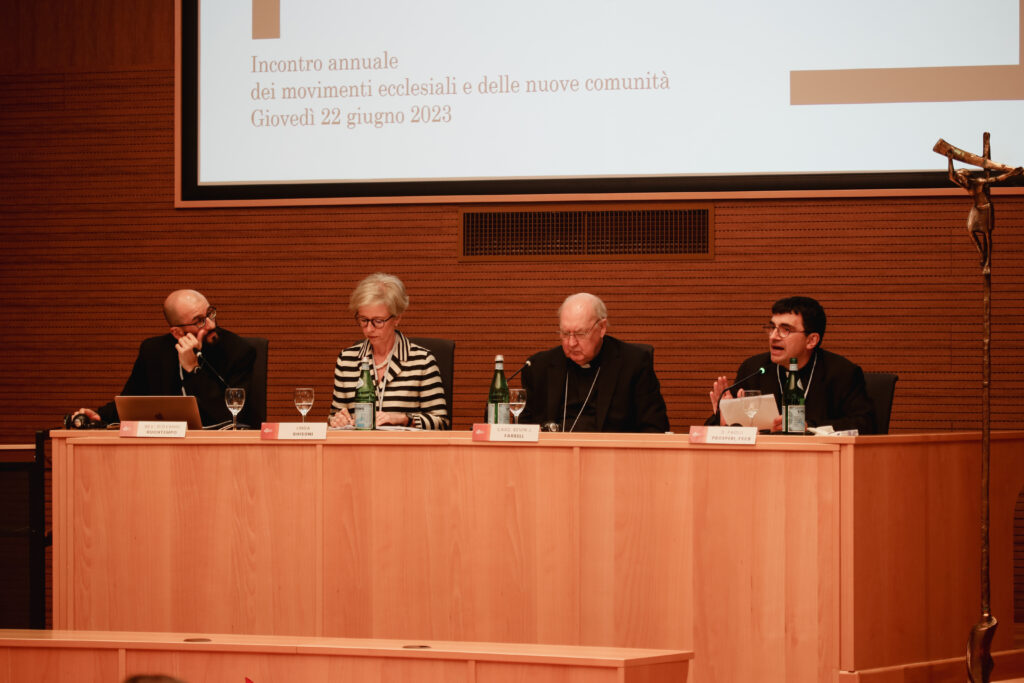
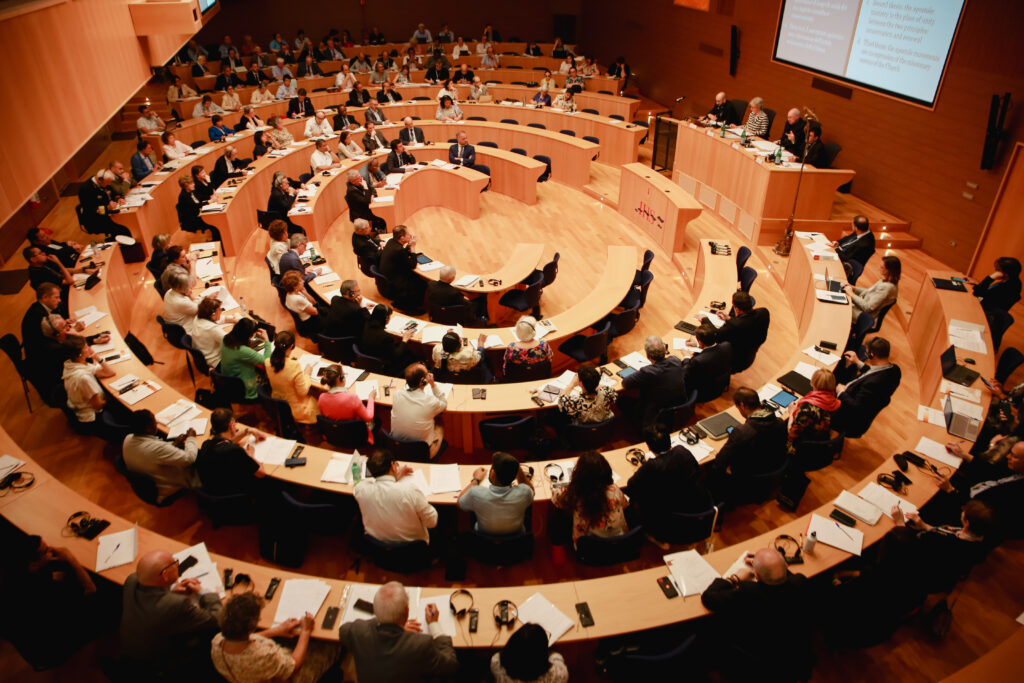
On the 22nd of June 2023 IMCS Pax Romana was represented at the Annual Meeting of Ecclesial Movements held by the Dicastery for Laity, Family and Life by Francesco Fonte, a member of FUCI and European Coordinating Team Member. It has been a fruitful occasion for reasoning on the renovated role of ecclesial movements in the Church, in the vein of apostolicity. This has been the core theme of the conferences, with speeches delivered by Cardinal Kevin Joseph Farrell, the prefect of the Dicastery, and theologians who are part of the movements.
The reflection of the day was based on a written version of the speech delivered by the then Cardinal Joseph Ratzinger in 1998 at the World Congress of Ecclesial Movements.
The addresses analyzed Ratzinger’s view about ecclesial movements, rooting its approach to the relationship between charisms, the institutional church and related to that the specific positioning of the movements in apostolic communion with the Pope. Furthermore, it was recalled Pope Francis’ invitation to avoid certain tendencies referred to Ecclesial Movements’ today, namely in the contrast of the rising auto referentiality of several realities and in the effects of “personalism” in imposing a predominant personality of view of the movement, especially that of the founder.
Several points which were raised could be useful for the associative discernment of social action movements’ like IMCS Pax Romana. This charism of IMCS is an expression of the plurality of ways in which the laity interpret their positioning in the Church, namely by taking up social action and addressing the need of the oppressed and marginalized people as well as, as repeatedly addressed during the meeting, in the diffusion of Catholic Social Teaching in operative terms.
Link to the news: click here to read about it
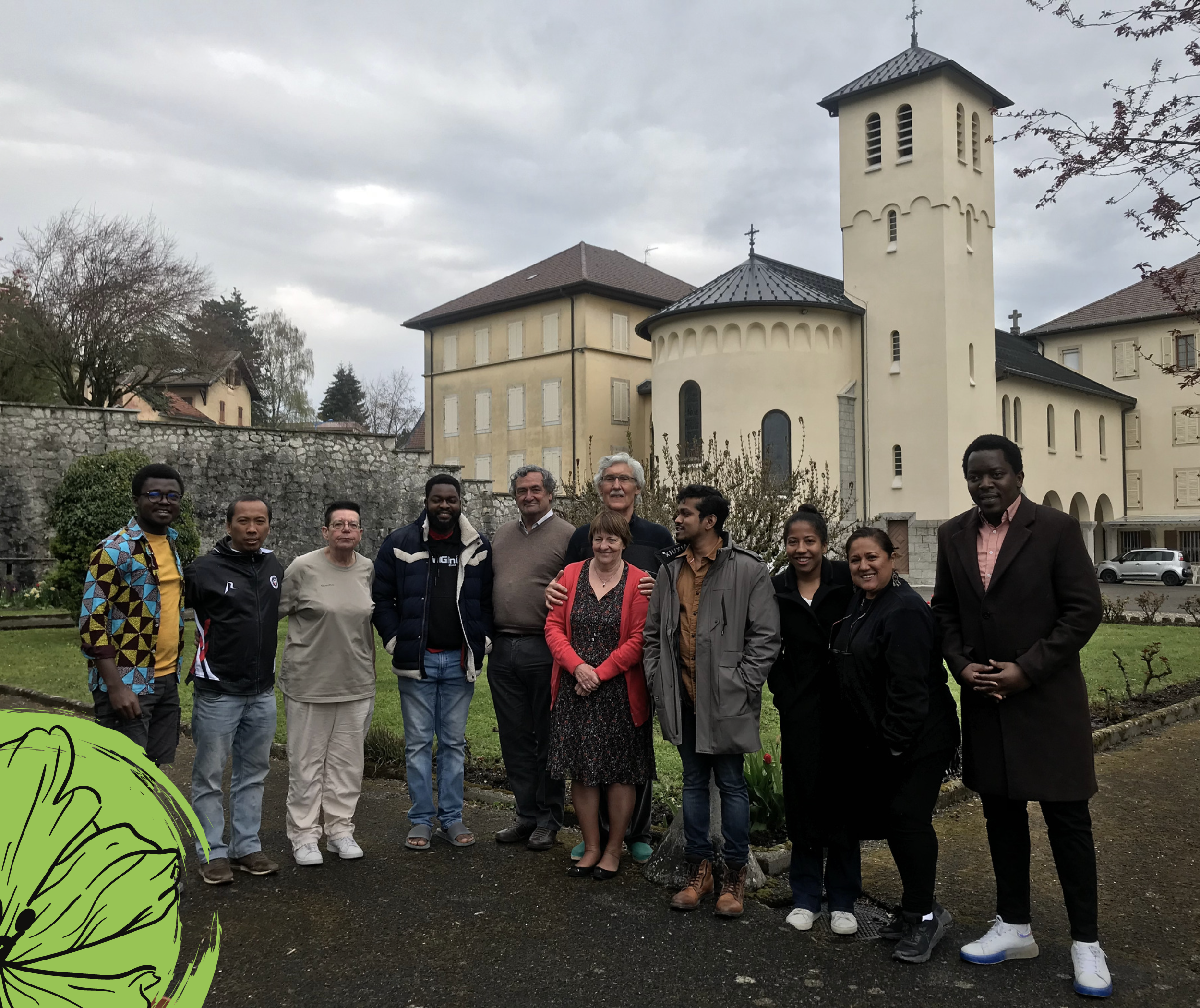
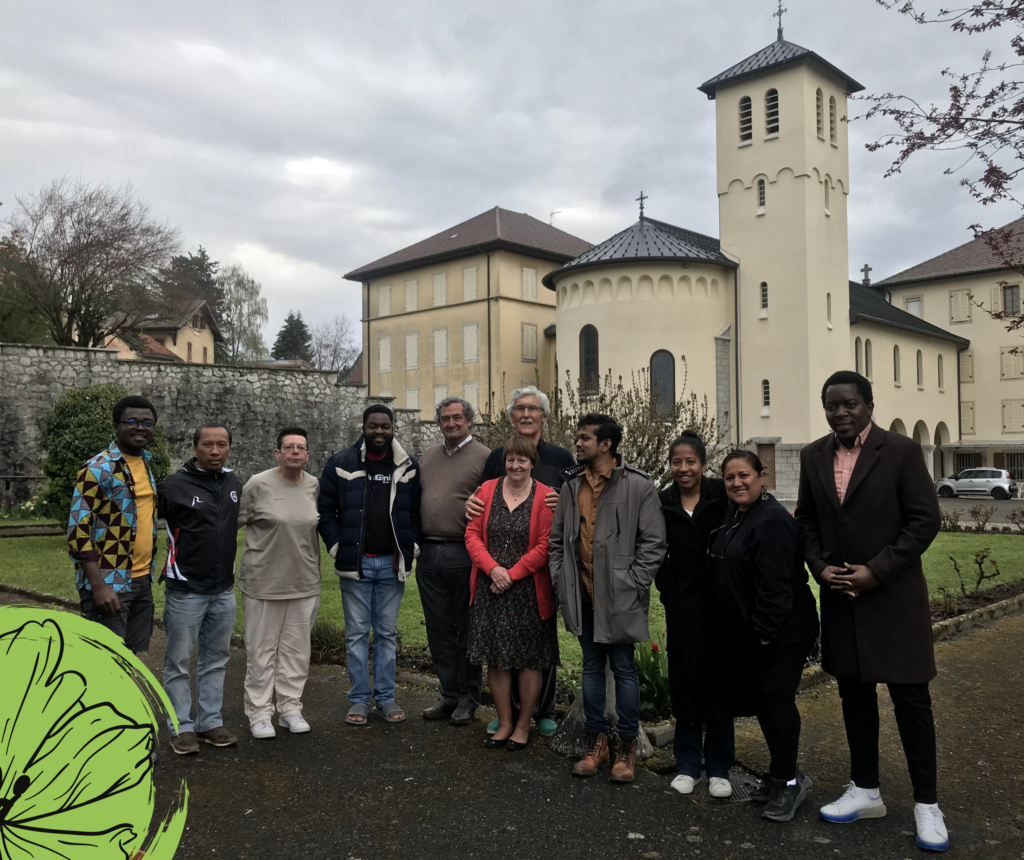
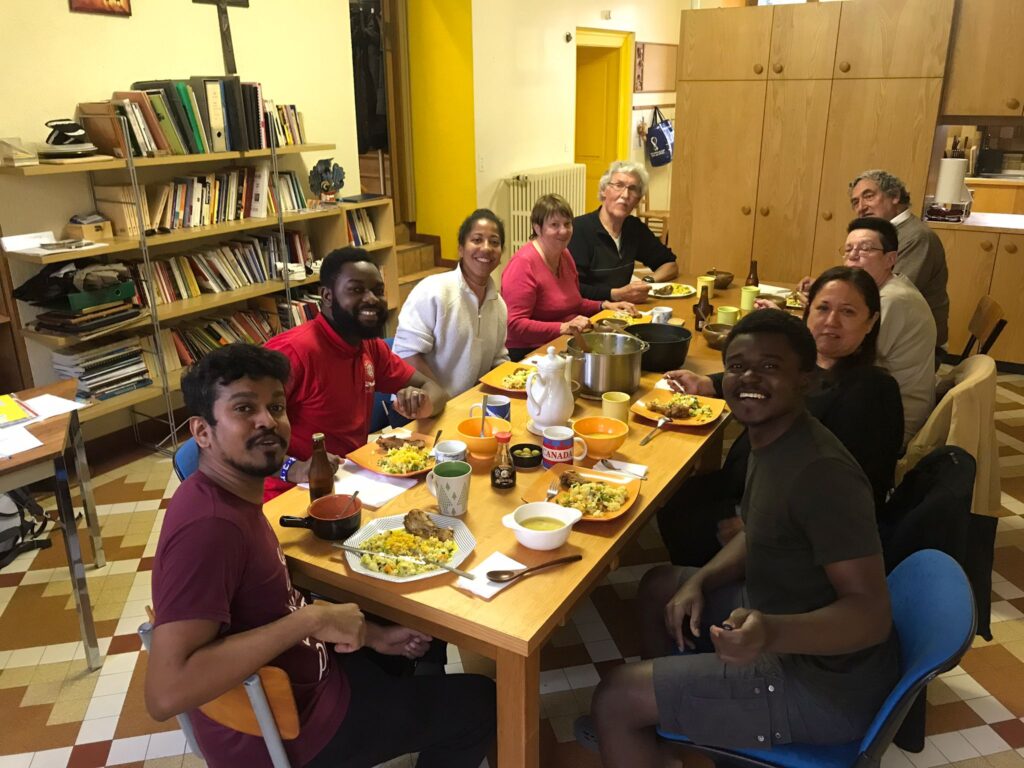
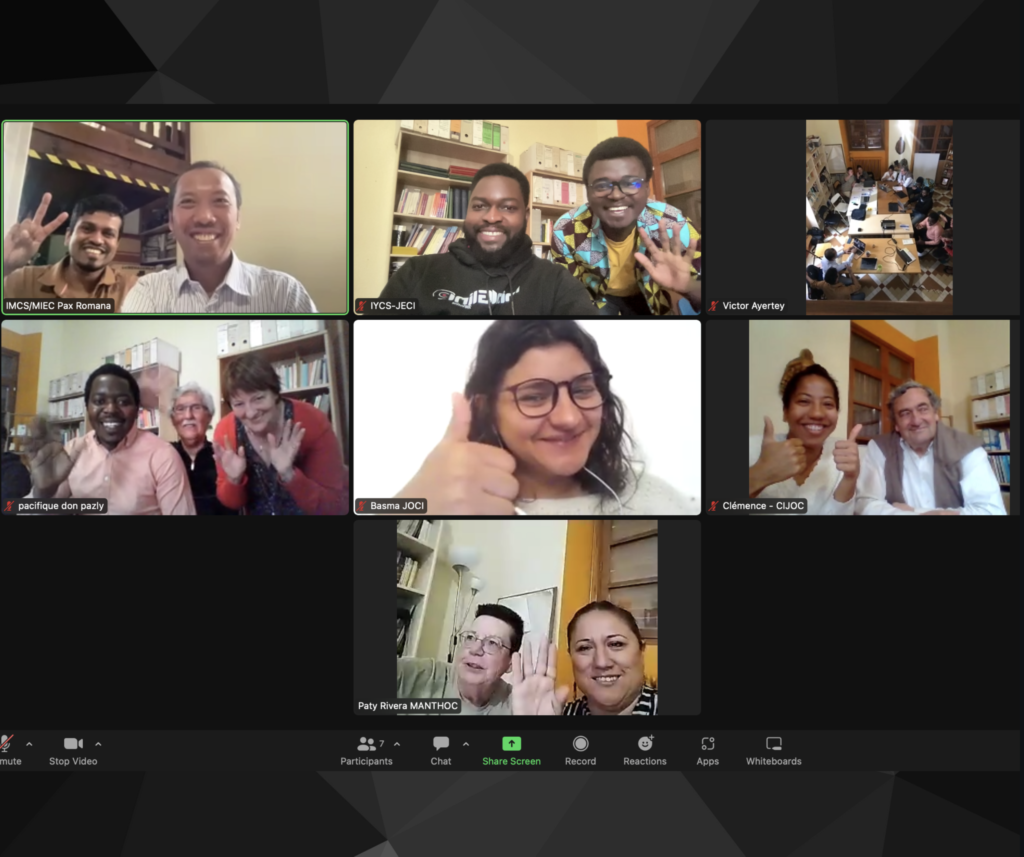
We are happy to welcome all the International Catholic Action Movements (MIACS) – JECI, MIDADE, CIJOC, CARDIJN, JOCI, MIAMSI, FIMARC, MIJARC and MMTC – here inside the Pax Romana Centennial Centre in La Roche-sur-Foron in France for a weekend of dialogue on the dynamics of actions, challenges, missions, our spirituality and evangelisation and the way forward together. In our hybrid session, we explored the relevance of our interconnectedness, our working realities on all levels, and cooperation means supporting each other and working together in a continuum through different generations. Notably, the focus of our specialized Catholic actions continues to bind us to stay in touch with our communities for impact.
Here is an excerpt from our conclusions;
As MIACS we work on various actions within the framework of our responsibilities and commitments, with particular attention to the most marginalised and those living on the periphery, in the face of major challenges such as climate change, peace and poverty. As lay Christians, we live out these responsibilities and commitments with the spirituality of action perspectives, for there is neither a human future in an exclusively materialistic vision nor a Christian life that is not incarnated in human realities.
Hence, we have decided to;
The work of organizing the MIACS joint activities and reflection meetings continues and will be coordinated for coming year by ICYCW and IYCS Secretariats.
This in La Roche sur Foron on 23 April 2023 at the Pax Romana Centennial Centre
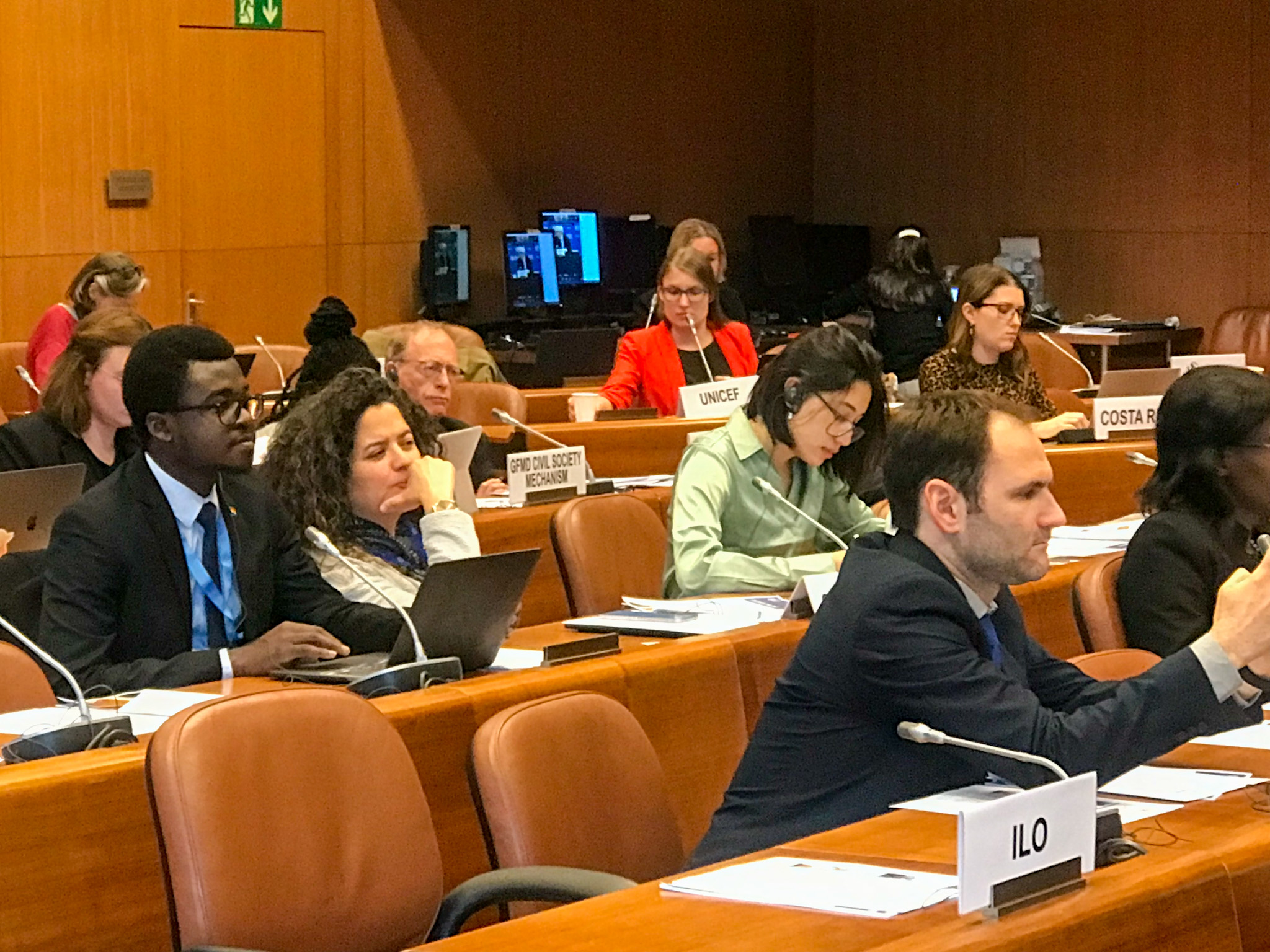
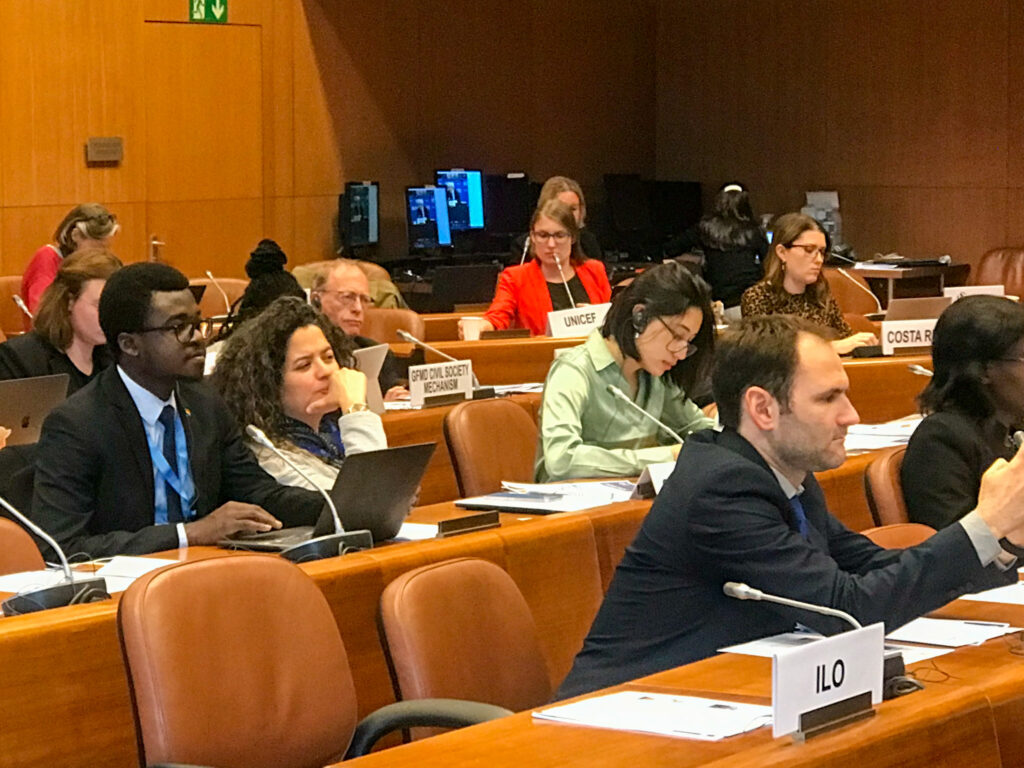
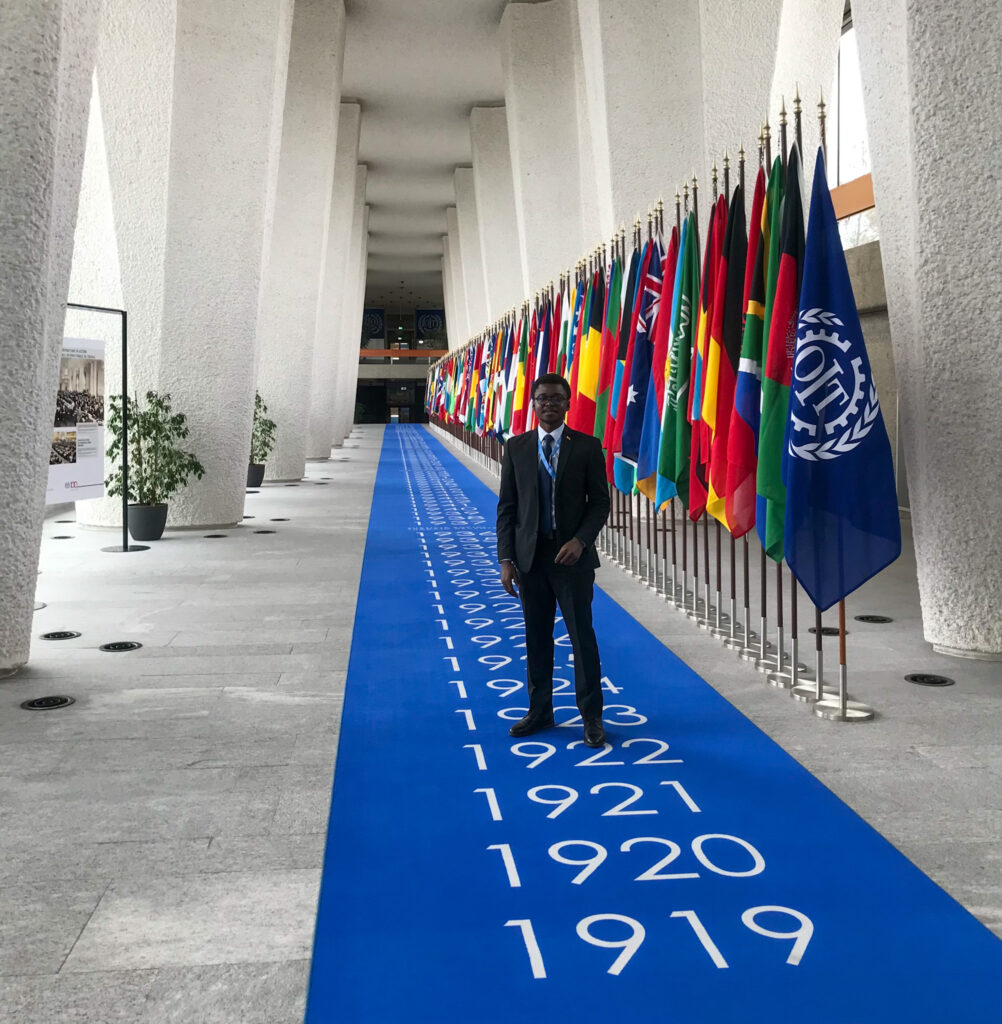
The Global Forum on Migration and Development (GFMD) organized a thematic workshop themed “The Impact of Climate Change on Labour Migration: Exchanging practices and exploring opportunities for sustainable development, decent work and a just labour market transition” at ILO HQ in Geneva on 29 March 2023.
Together with the CSOs and States, IMCS Pax Romana continues to contribute and advocate for accountability for labour migration influenced by climate change. Notably, decent and rewarding work is a concern of many young people around. Hence, we strive to see the integration of human mobility and environmental sustainability into policies at all levels for implementation. As such, the intersection between labour, migration and climate change is timely, considering all the diverse effects. We call for acknowledgement, collaboration and robust systems in addressing the challenges involved.
With the first panel discussion, our conversation focused on labour migration as an adaptation strategy. The panelists shared concerns about the impact of migration within their context and how the paradigm shift has been caused by the effects of climate change. The factors involved are not competing against themselves but rather complementary. And in further analysis of the situation, we discussed about the solutions to help mitigate the challenge at various within different contexts during the second panel discussion. It focused on meeting new skills demand created by climate action – with a focus on youth.
In summary, the thematic workshop amplified the key messages below as captured in the ILO Just Transition Policy briefs on Labour Migration and Human Mobility
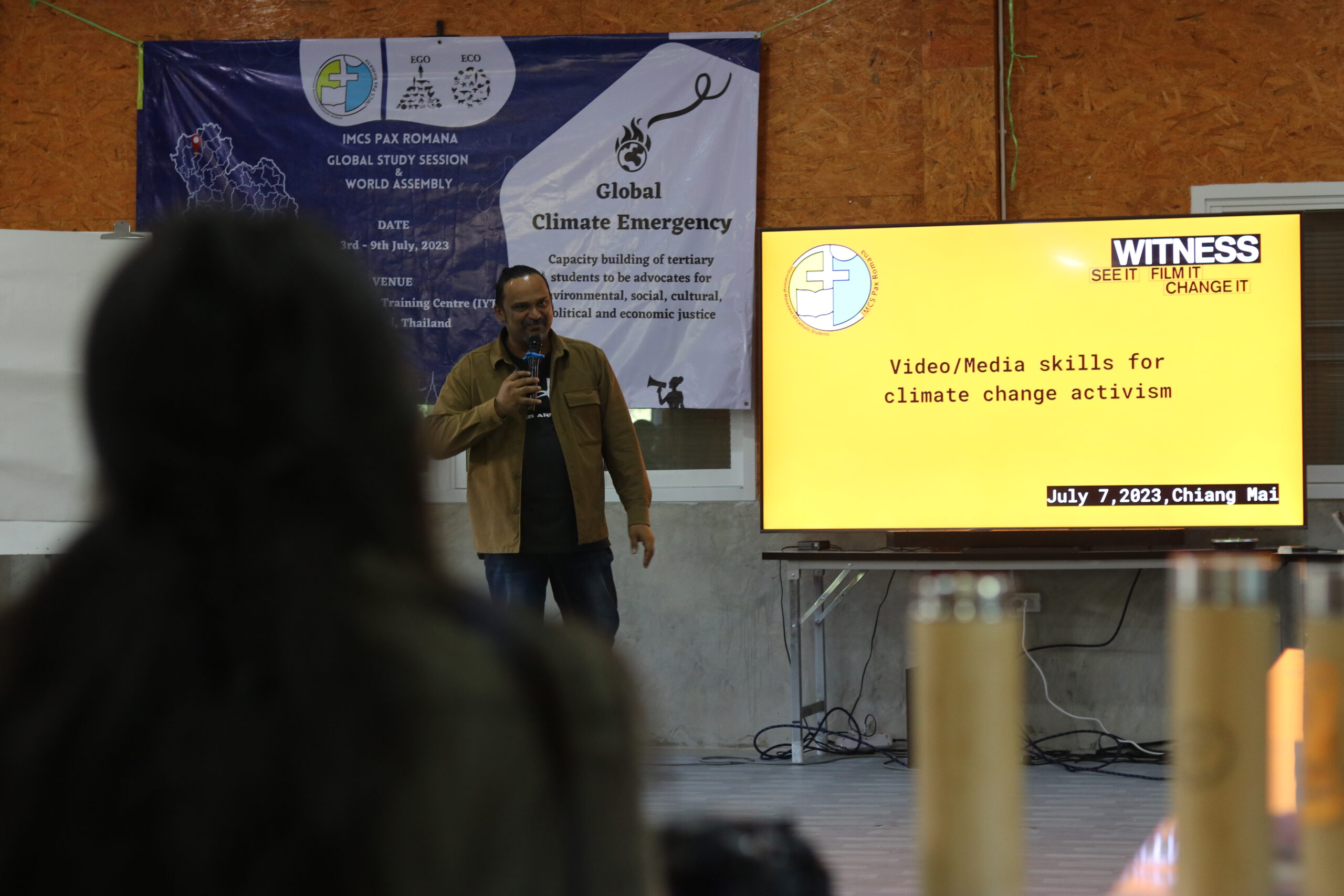
In response to Pope Francis’ Laudato Si’ encyclical and the United Nations’ call for governments to declare a climate emergency until neutrality is achieved, the International Movement of Catholic Students (IMCS) Pax Romana held its World Assembly who gathered in Chiang Mai, Thailand from 03 – 09 July 2023 on Global Climate Emergency at the newly constructed International Youth Training Centre focused on Theme: “Global Climate Emergency: Capacity building of tertiary students to be advocates for environmental, social, cultural, political and economic justice”. This assembly brought 103 participants (76 in-person and 27 online) from 33 different countries in Europe, Africa, Asia Pacific, Latin America and North America. Representing about 53.5% males and 46.5% females; this comprised Catholic Students Leaders, Observers, Facilitators, Interpreters as well as Chaplains & the Religious.
IMCS Pax Romana appreciates the presence of the over 150 community members and Elders as well as the Non-Formal Education Office, Ministry of Industry, Communal Life of Love and Unity of the Mountain People (CLUMP), Dr Jitprapa Srioon, MANFA Institute & Chairman of the Learning Center for All Ages, Baan Saan Fun Pan Suk, Bro. Dr. Dechachai Sripicharn, Provincial, Brothers of St. Gabriel Foundation, the Good Shepherd Sisters, Most Rev. Francis Xavier Vira Arpondratana, Bishop of Chiang Mai Diocese and Secretary General, Catholic Bishops’ Conference of Thailand (CBCT), the Police, Dancers, the Catholic Students Network of Thailand (CSNT) and all those who joined us during the 2023 World Assembly Opening Ceremony.
Referencing the final declaration on the climate emergency, participants at the IMCS Pax Romana World Assembly discussed rising global temperatures, extreme weather events, loss of biodiversity, food and water sovereignty and health issues, how indigenous peoples are essential stewards of nature and biodiversity, and the smallest communities are the most affected by climate change. The effects of climate change are disproportionately felt by vulnerable communities, such as those in destitution and indigenous peoples. This included on-site visits and experience sharing in and around Chiang Mai such as a knowledge visit to a local canal, soil preservation and testing mobile applications and black soldier fly farming.
In a further development, IMCS Pax Romana is committed to supporting environmental knowledge through research and development, providing its members with opportunities to represent the marginalized, advocating for environmental preservation, and collaborating with other organizations and stakeholders. Advocacy and education are essential for fostering a collective effort to combat climate change and promote change. It is essential to collaborate with vulnerable communities and relevant stakeholders to address their specific needs and preserve indigenous knowledge and practices that contribute to sustainable resource management.
IMCS Pax Romana urges other Catholic Youth Organizations and communities around the world to respond to the Global Climate Emergency, as well as local authorities, governments, and international organizations to incorporate environmental protection into all of their efforts. Students of the Catholic faith must utilize their resources to persuade governing bodies to prioritize the Global Climate Emergency on their national and local agendas.
The call to action emphasizes collaboration with vulnerable communities and relevant stakeholders and urges Catholic youth organizations and communities worldwide to take action in response to the Global Climate Emergency.
[rev_slider alias=”Post_slider”][/rev_slider]